
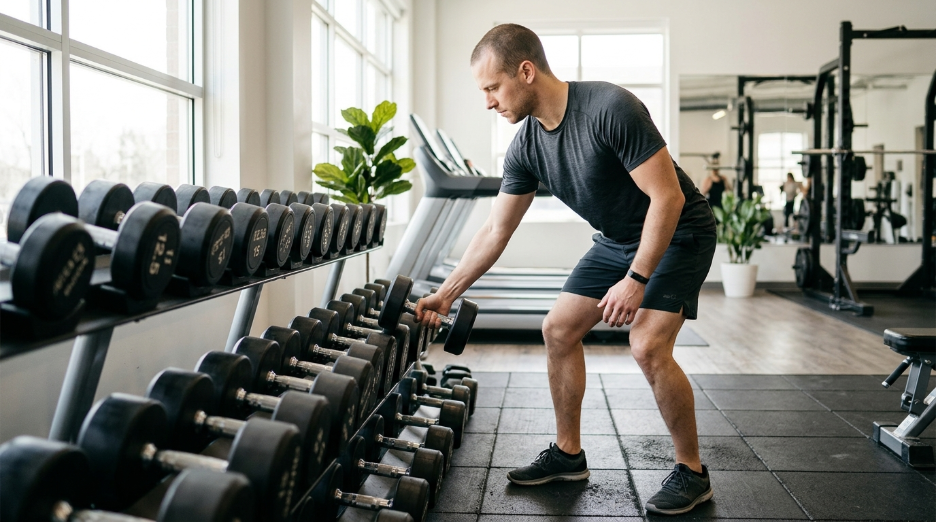
Choosing the right weight for your workout can be confusing, especially when you are new to strength training. You might wonder whether your dumbbells are too light, whether you should increase the weight, or how much resistance is enough to build muscle. These questions are common among beginners and even people who have been exercising for several months.
The truth is that there is no single weight that works for everyone. Your ideal lifting weight depends on your fitness experience, exercise technique, training goals, and current strength. The most important thing is to select a resistance that challenges your muscles while allowing you to perform each repetition with proper control.
Whether you want to develop stronger muscles, improve your fitness, build endurance, or support your weight-management goals, understanding how to select weights can make your workouts more effective. This guide explains how to choose suitable weights, recognise when to increase or reduce resistance, and make steady progress without rushing your training.
How Beginners Can Choose Their Starting Weights
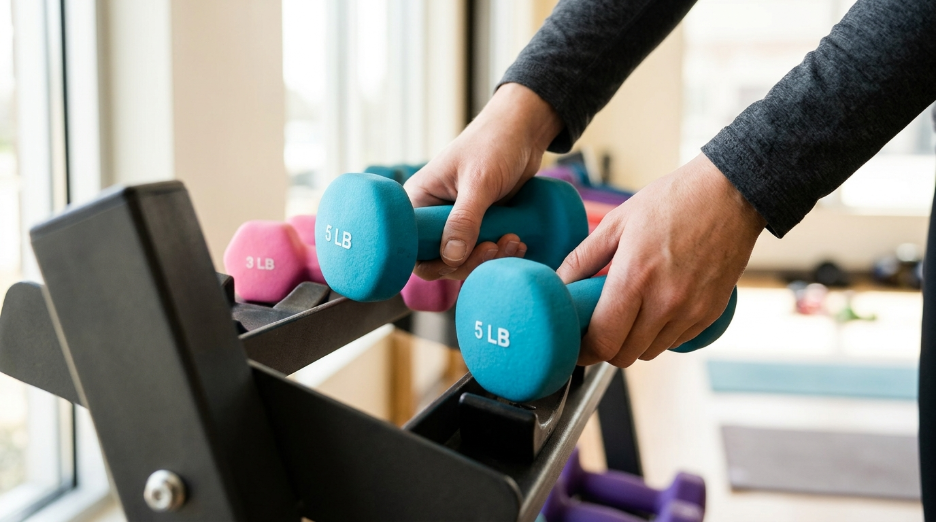
If you are new to lifting weights, begin with a resistance that allows you to understand the exercise and practise proper technique. Your first goal should not be to lift as much as possible. Instead, focus on learning how each movement works and developing enough control to perform repetitions safely.
A useful starting point for many beginners is 8–12 repetitions per set, using a weight that feels moderately challenging. You might begin with two or three sets, depending on the exercise and your fitness level. By the final repetitions, your muscles should feel like they are working, but you should still be able to maintain good posture and movement control.
Start lighter than you think you need. For example, if you are learning dumbbell shoulder presses, try a light pair of dumbbells before moving to heavier ones. If the movement feels easy and controlled, you can gradually adjust the resistance during future sessions.
Avoid choosing weights based on what other gym members are lifting. Everyone develops strength at a different pace. Your starting point should reflect your own ability, not someone else’s performance.

Choose a Weight That Allows Proper Exercise Technique
One of the most useful principles in strength training is learning to control the weight you lift. A heavier dumbbell does not automatically produce better results. If the resistance is too high and causes you to lose control, you may be better off using a lighter option.
Proper technique means maintaining a stable posture, controlling the movement in both directions, and completing a comfortable range of motion. For example, during a dumbbell curl, your upper arms should remain relatively steady instead of swinging your entire body to lift the weight.
The same principle applies to lower-body exercises. During squats, maintain a comfortable stance and control your descent and return to standing. If additional weight causes your movement to become unstable, reduce the resistance.
Your muscles should feel challenged, but exercise should not cause sharp joint pain. Focus on consistent repetitions instead of trying to impress others with heavy lifting numbers. Good technique provides a more reliable foundation for long-term progress.

Selecting the Right Resistance for Building Muscle
If your main goal is to develop larger and stronger muscles, you need to provide your muscles with enough resistance to encourage adaptation. This process is commonly called muscle hypertrophy. It can be achieved through different combinations of weights, repetitions, and training volumes.
Many people use moderate resistance for approximately 8–12 repetitions per set, although muscle growth is possible across a wider range of repetitions when the exercise provides sufficient effort. You might perform three working sets of dumbbell presses, rows, or squats, depending on your training programme.
The final repetitions should feel challenging without requiring you to sacrifice proper technique. You do not need to reach complete muscular failure in every set. Leaving approximately one to three repetitions in reserve can be a practical approach, particularly when you are still developing your training experience.
Remember that muscle development involves more than lifting weights. Recovery, adequate nutrition, sufficient protein, sleep, and consistency all contribute to your progress. Give your muscles enough time to recover between demanding sessions.
Choosing Weights for Developing Greater Strength
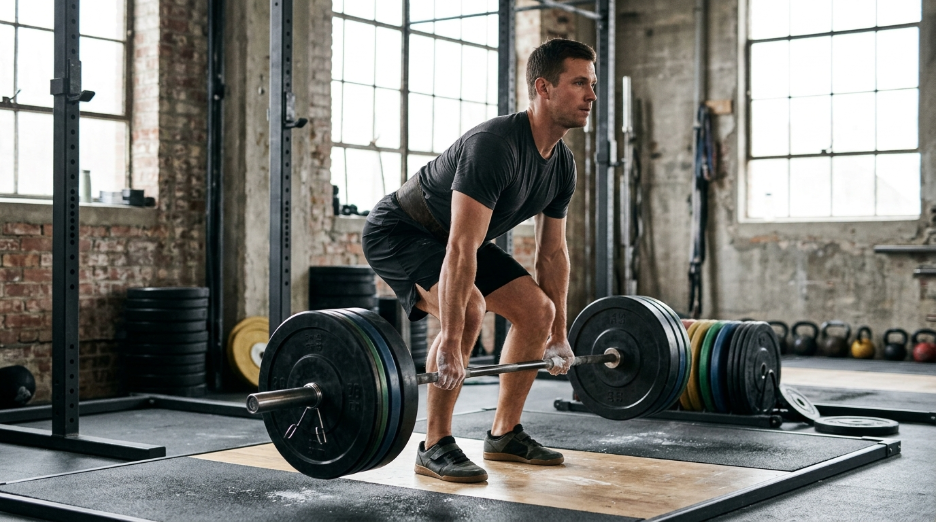
Strength training focuses on improving your ability to produce force against resistance. If your main objective is to become stronger, your programme may include heavier weights and fewer repetitions than a routine designed primarily for muscular endurance.
For example, some strength-focused programmes use approximately three to six repetitions per working set, with several sets of an exercise. Longer rest periods may be useful because heavier lifting places greater demands on your muscles and nervous system.
However, lifting heavy should never mean sacrificing control. Before attempting challenging weights on exercises such as squats, deadlifts, bench presses, or overhead presses, learn the correct movement pattern. Begin with manageable resistance and gradually increase it as your technique improves.
Small weight increases are generally easier to manage than sudden jumps. Depending on the exercise and available equipment, adding a small amount of resistance may be enough to create a new challenge. Strength develops through regular practice, proper recovery, and gradual progression rather than constantly testing your maximum lifting ability.
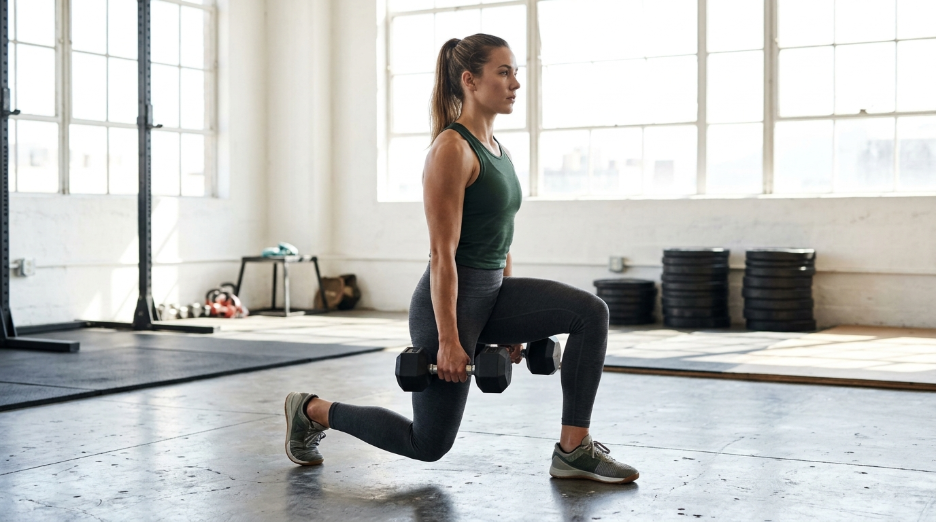
How to Select Weights for a More Defined Appearance
Many people use the word toning when describing their goal of developing visible muscle definition. In practical terms, this usually involves building or maintaining muscle while managing overall body fat.
You do not need to use extremely light weights or perform endless repetitions to achieve this goal. A balanced strength-training routine with challenging resistance can help develop your muscles and improve overall physical strength.
A practical approach is to use a mixture of moderate resistance and different repetition ranges. For example, you might perform 8–12 repetitions of a pressing exercise and 12–15 repetitions of a lighter shoulder or arm exercise.
Full-body strength training can also help you develop a balanced routine. Include movements that work your legs, back, chest, shoulders, arms, and core. Combine your training with suitable nutrition, regular physical activity, and adequate recovery.
Remember that visible muscle definition varies between individuals. Genetics, body composition, nutrition, and training consistency all influence how your muscles look. Focus on improving your fitness rather than chasing a particular appearance.
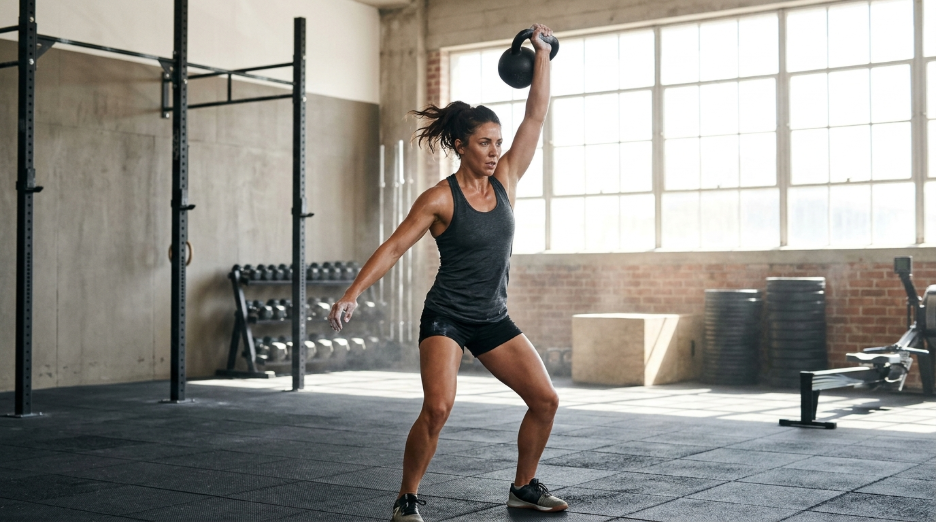
Using Strength Training to Support Fat Management
Weight training can be a useful part of a fitness programme designed to manage body weight. It helps develop and maintain muscle while providing a structured way to improve strength and physical performance.
When choosing weights for this goal, prioritise resistance that challenges your muscles without making every session unnecessarily exhausting. You can combine compound exercises, such as squats and rows, with smaller movements that target specific muscle groups.
A balanced programme might include moderate repetitions for larger exercises and slightly higher repetitions for accessory movements. You can also include walking, cycling, swimming, or other enjoyable cardiovascular activities to support your overall activity level.
Nutrition is another important part of weight management. Your eating habits, energy intake, food quality, and consistency influence changes in body weight. Lifting weights alone does not guarantee fat loss.
Instead of focusing entirely on how heavy you can lift, build a routine that you can maintain. Consistent exercise, appropriate nutrition, and sufficient recovery are more useful than extreme workouts that are difficult to repeat.
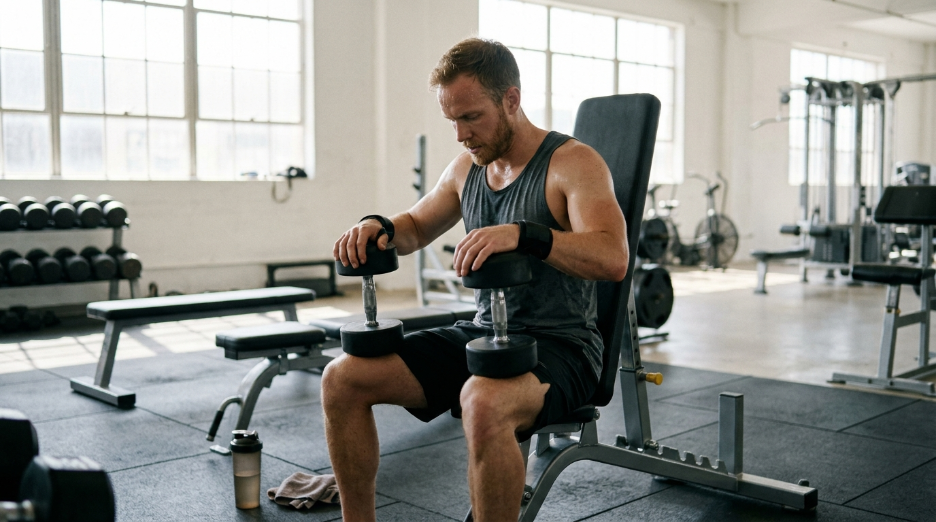
Understanding Repetitions in Reserve When Choosing Weights
Repetitions in reserve, often shortened to RIR, is a simple method for estimating how many additional repetitions you could complete at the end of a set before reaching muscular failure.
For example, imagine completing ten dumbbell rows. If you believe you could perform two more controlled repetitions, you have approximately two repetitions in reserve. If you could easily perform five additional repetitions, the weight may be relatively light for that particular set.
This method helps you understand how challenging your resistance is without needing to test your maximum strength. Beginners can start by leaving approximately two or three repetitions in reserve while learning proper technique.
As your experience improves, you can adjust your effort according to your training goals. Some working sets may finish closer to muscular failure, while others can remain more moderate.
The important point is to avoid turning every set into an exhausting effort. Training with controlled intensity can help you maintain better technique and manage recovery between workouts.
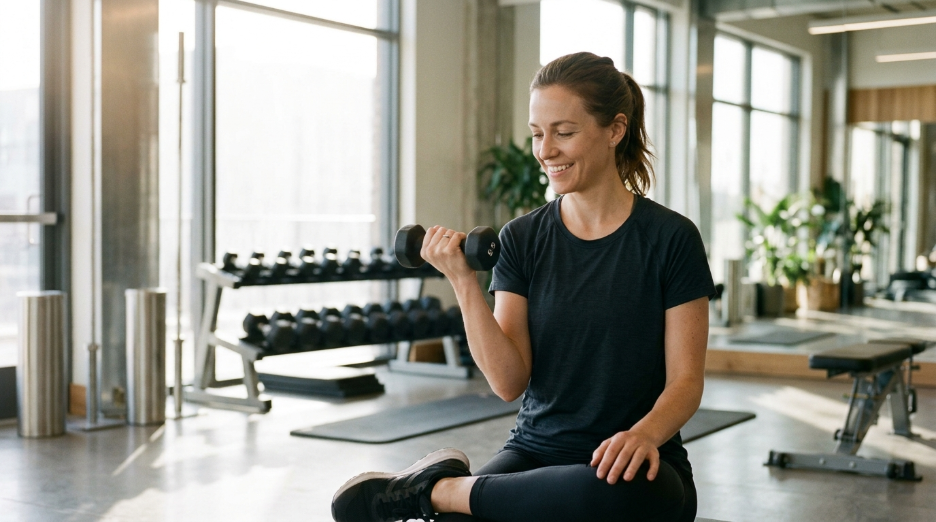
Signs That Your Current Weight May Be Too Light
A weight may be too light if you finish your planned set without feeling much muscular effort. For example, if your programme calls for ten repetitions and you could comfortably complete another ten without difficulty, the resistance may not be providing enough challenge for your current goal.
However, light weights are not automatically ineffective. They can be useful for warm-ups, technique practice, rehabilitation exercises under professional guidance, and muscular endurance training.
Consider increasing the resistance slightly if you consistently exceed your target repetition range while maintaining excellent form. You can also make the exercise more challenging by improving your range of motion or using a more controlled tempo.
Keep a record of your repetitions and the weights you use. This makes it easier to recognise when an exercise has become less challenging.
Avoid increasing resistance simply because you feel impatient. The best time to move up is when your current weight feels manageable and your technique remains consistent throughout every set.
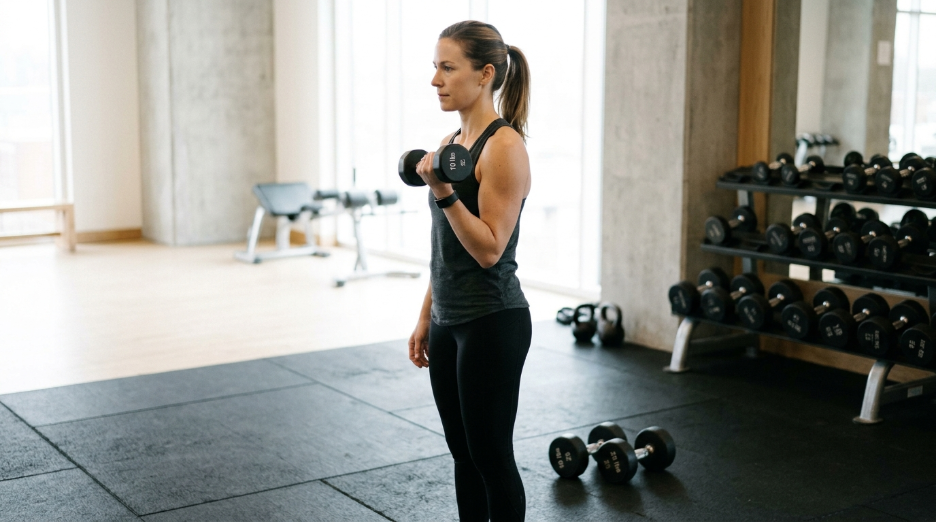
Recognising When Your Weights Are Too Heavy
Using resistance that is beyond your current ability can make an exercise difficult to control. You might notice that your posture changes, your movements become rushed, or you cannot complete the planned repetitions without relying on momentum.
For example, during bicep curls, swinging your back to lift a heavy dumbbell may indicate that the resistance is too high. During squats, losing balance or struggling to maintain your normal movement pattern may suggest that you should reduce the load.
Other warning signs include being unable to reach the lower end of your repetition target, shortening your range of motion unintentionally, or experiencing joint pain.
If your programme calls for eight to twelve repetitions but you can only complete four or five with poor technique, consider using a lighter weight.
There is no reason to feel embarrassed about reducing resistance. Training with a manageable load allows you to practise the exercise and build strength more consistently. Remember that discomfort from muscular effort is different from sharp or unusual pain.
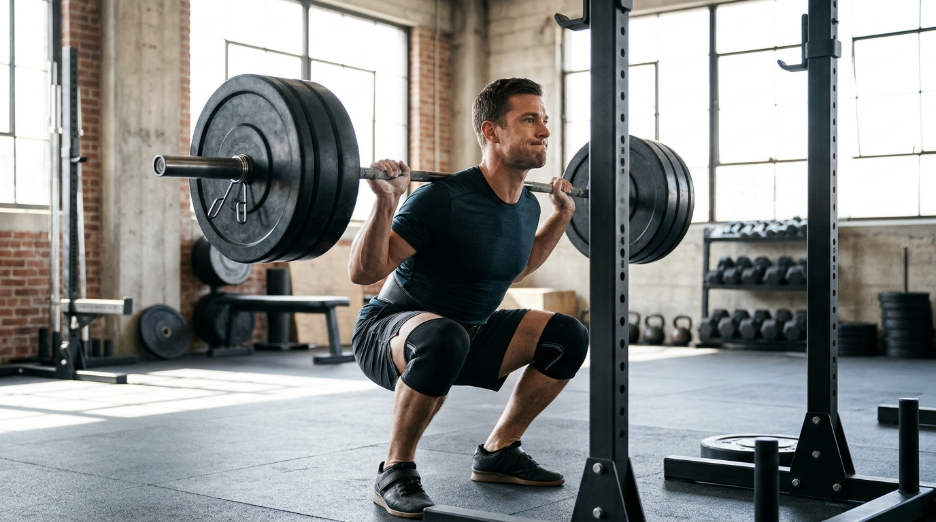
Selecting Different Weights for Different Gym Exercises
Not every exercise requires the same amount of resistance. Large compound movements generally involve several muscle groups working together, while isolation exercises focus more directly on one muscle group or movement.
For example, you may be able to squat or deadlift considerably more weight than you can lift during a lateral raise. This difference is normal because the exercises involve different muscles, movement patterns, and levels of mechanical advantage.
Here are some general examples of repetition ranges that may be used in strength-training programmes:
- Squats: approximately 5–10 repetitions.
- Deadlifts: approximately 3–8 repetitions.
- Bench presses: approximately 5–10 repetitions.
- Shoulder presses: approximately 6–12 repetitions.
- Lat pulldowns: approximately 8–12 repetitions.
- Dumbbell rows: approximately 8–12 repetitions.
- Bicep curls: approximately 10–15 repetitions.
- Lateral raises: approximately 12–20 repetitions.
- Tricep pushdowns: approximately 10–15 repetitions.
These are examples rather than strict rules. Your appropriate resistance depends on your ability and training objectives. Always choose a weight that allows controlled movement, even if that means using different resistance levels for exercises that target the same general muscle group.
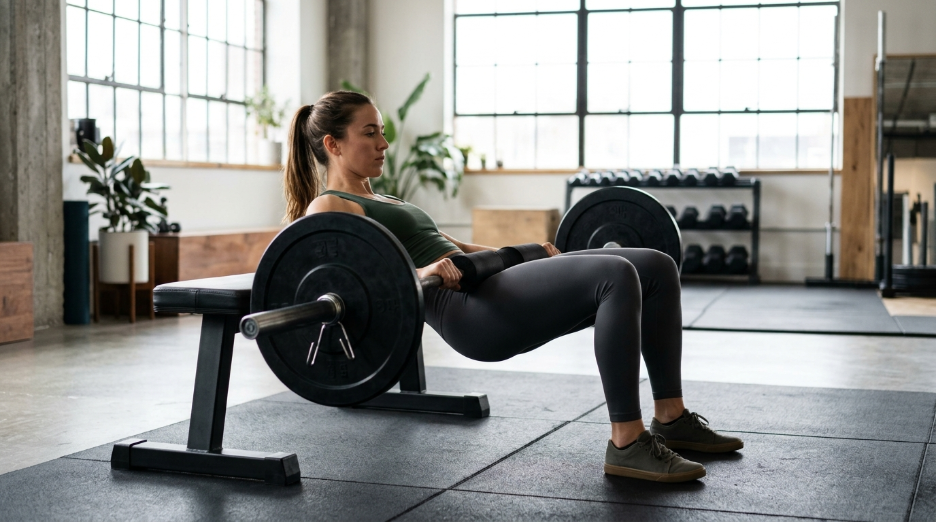
How Women Can Find the Right Weight for Strength Training
Women can follow the same basic weight-selection principles as men. The right resistance depends on individual strength, exercise experience, movement technique, and training goals rather than gender alone.
If you are a beginner, start with a weight that allows approximately eight to twelve controlled repetitions. The final repetitions should require effort without causing your posture or technique to change significantly.
There is no reason to avoid challenging resistance simply because you are concerned about becoming too muscular. Building substantial muscle size generally requires consistent training over an extended period, together with appropriate nutrition and recovery.
Women can benefit from including exercises such as squats, hip thrusts, rows, presses, lunges, and other movements that suit their fitness levels. A balanced routine can support strength development and everyday physical activities.
If a particular exercise feels difficult, reduce the weight and practise the movement. Increase resistance gradually when your technique becomes consistent. Your training should reflect your personal ability rather than expectations about how much weight women should lift.
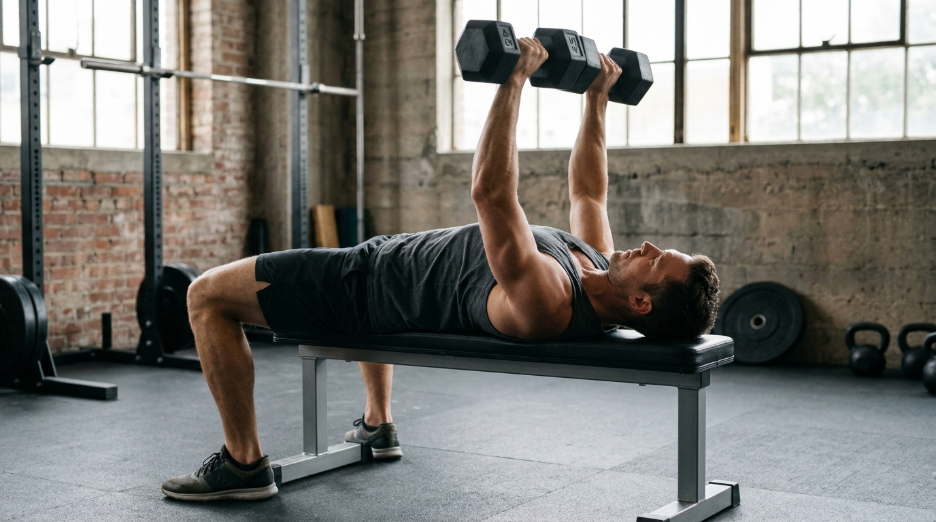
How Men Should Decide Which Weights to Lift
Men should also choose resistance according to their current fitness level rather than trying to match the weights used by other gym members. Your strength depends on several factors, including training experience, muscle development, body proportions, technique, and recovery.
Beginners may benefit from starting with bodyweight exercises, light dumbbells, or an unloaded barbell when learning new movements. As their technique becomes more reliable, they can gradually introduce additional resistance.
One common mistake is increasing weight too quickly, particularly during exercises such as bench presses, shoulder presses, and bicep curls. Although heavier resistance can be useful, it should never come at the expense of controlled movement.
A better strategy is to master the exercise first, improve your repetitions, and then increase the weight when appropriate. You should be able to complete the movement without excessive swinging, twisting, or losing balance.
There is no universal weight that every man should lift. Choose resistance that matches your ability and allows you to train consistently.
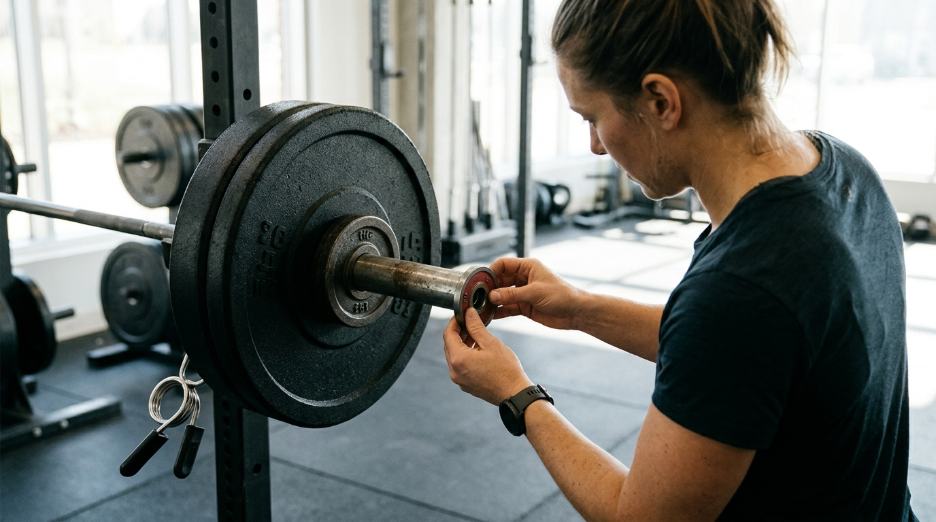
Do You Need to Add More Weight After Every Workout?
Increasing the weight during every training session is not necessary. Although gradual progression is important, your body needs time to adapt to new demands. Some weeks you may improve your repetitions, while other weeks your performance may remain unchanged.
Progressive overload is the practice of gradually increasing the demands placed on your muscles over time. It can involve several approaches, including:
- Adding a small amount of weight.
- Completing additional repetitions.
- Performing another working set.
- Improving movement technique.
- Increasing your comfortable range of motion.
- Using a slower and more controlled movement.
- Improving your ability to complete the same workout.
For example, if you can comfortably perform three sets of ten dumbbell presses, you might gradually work toward twelve repetitions before increasing the resistance.
Avoid forcing progress when your technique is not ready. Consistency and recovery are important parts of strength development. Small improvements accumulated over several months can produce meaningful results.
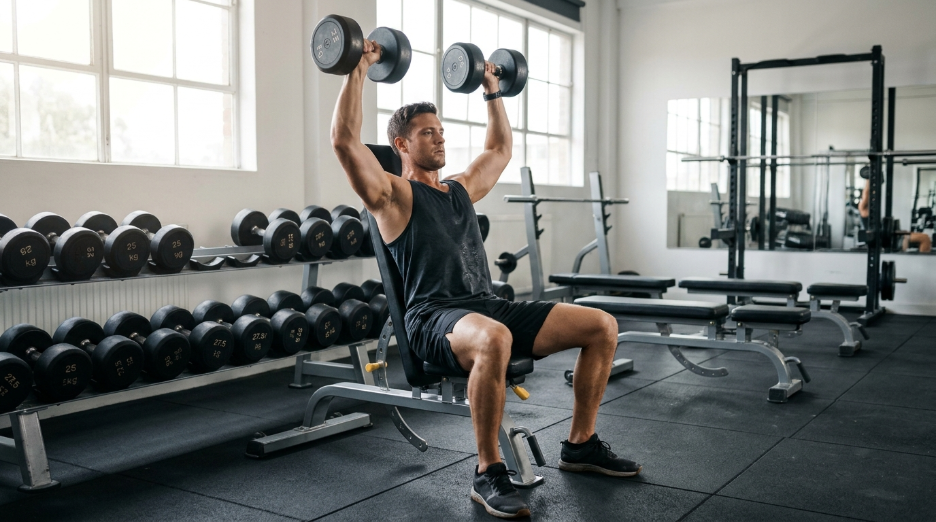
Applying the Double Progression Technique
Double progression is a straightforward training method that combines increasing repetitions with gradually increasing resistance. It can be particularly useful for beginners because it provides a clear way to measure improvement without requiring you to add weight every session.
Start by choosing a repetition range, such as eight to twelve repetitions. Select a weight that allows you to complete at least eight good repetitions while maintaining proper technique.
Continue using that resistance until you can reach the upper end of your target range across all your working sets. Once you achieve this consistently, increase the weight slightly and begin building your repetitions again.
For example:
| Training week | Weight | Set 1 | Set 2 | Set 3 |
| Week 1 | 20 kg | 10 | 9 | 8 |
| Week 2 | 20 kg | 11 | 10 | 9 |
| Week 3 | 20 kg | 12 | 11 | 10 |
| Week 4 | 20 kg | 12 | 12 | 12 |
| Week 5 | 22 kg | 9 | 8 | 8 |
This is an illustrative example rather than a required progression schedule. Your results may vary depending on the exercise, available weights, and recovery.
The advantage of this approach is that it gives you a measurable target. Instead of constantly increasing resistance, you build confidence and control before moving to a heavier weight.
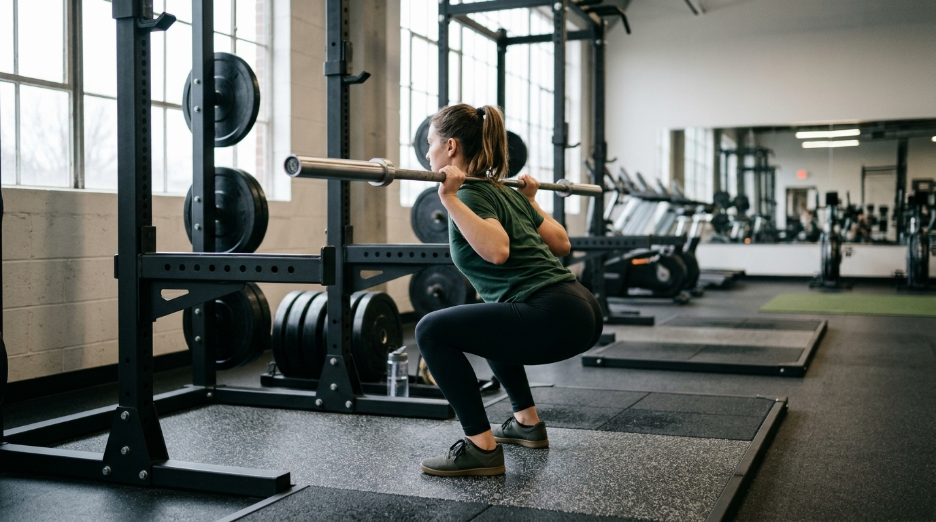
Choosing Suitable Loads for Your Warm-Up Sets
Warm-up sets prepare your body for the more demanding exercises in your workout. They give you an opportunity to practise the movement, check your technique, and gradually become comfortable with the resistance you intend to use.
These sets should not be so difficult that they leave your muscles tired before the main exercise begins. Start with a lighter load and gradually increase the weight when necessary.
For example, if your planned working weight for squats is 60 kg, your preparation might include:
| Warm-up stage | Weight | Repetitions |
| First round | Bodyweight | 10 |
| Second round | Empty bar | 8 |
| Third round | 40 kg | 5 |
| Working set | 60 kg | 8–10 |
This is only an example. The number of warm-up sets depends on your experience, the exercise, and the weight you plan to lift.
Smaller exercises may require only one lighter preparation set, while challenging compound movements may benefit from several gradual increases. The goal is to feel ready for your working sets without creating unnecessary fatigue.
Is Lifting Heavier Weights Always the Better Choice?
Heavier resistance can be useful, but it is not automatically the best option for every fitness goal. The right weight depends on what you want to achieve and how well you can perform the exercise.
For example, heavier resistance with fewer repetitions may suit certain strength-focused programmes. Moderate weights can be effective for muscle development, while lighter resistance with higher repetitions can be useful for muscular endurance.
Even bodyweight exercises can become challenging when performed with controlled technique, a suitable range of motion, and enough repetitions.
Instead of judging a workout by the number printed on a dumbbell, consider whether the resistance is helping you train the intended muscles. A controlled set of lighter lateral raises may be more productive than swinging a much heavier pair of dumbbells.
Good training is not about lifting the heaviest weight in the gym. It is about selecting resistance that matches your ability and supports consistent improvement.
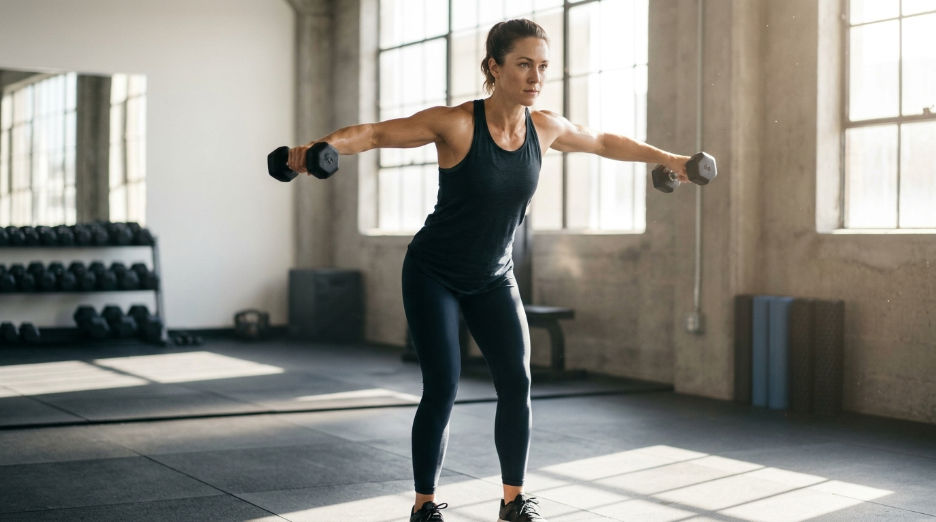
What to Do When One Side of Your Body Is Stronger
It is common for one side of the body to be slightly stronger or more coordinated than the other. Many people naturally favour one arm or leg during everyday activities, which can contribute to small differences in strength.
Single-arm and single-leg exercises can help you become more aware of these differences. Examples include one-arm dumbbell rows, single-arm shoulder presses, split squats, and controlled step-ups.
When performing these exercises, consider starting with the side that feels weaker. Complete a comfortable number of repetitions, then match the same number on your stronger side. This helps prevent your dominant side from doing considerably more work.
Pay attention to your posture and avoid twisting or leaning to complete additional repetitions. Use a resistance that both sides can manage with good technique.
Small strength differences are generally normal. However, if you notice a sudden or substantial loss of strength, persistent pain, or unusual movement difficulties, consider speaking with a qualified healthcare professional.
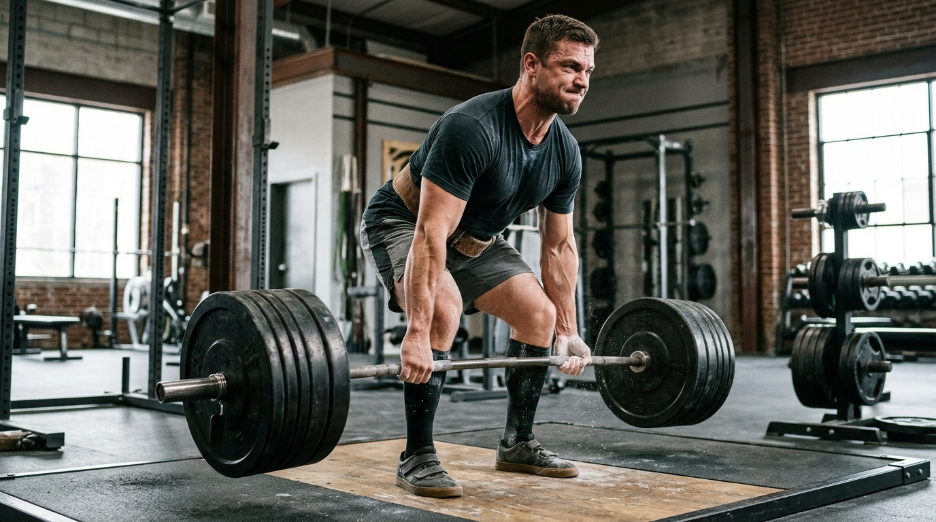
Match Your Weight Selection to Your Main Fitness Goal
Your training objective should influence the amount of resistance you choose. Someone who wants to improve maximum strength may follow a different repetition scheme from someone who wants to develop muscular endurance.
The following table provides general examples of how different training goals may influence weight selection:
| Fitness goal | Example repetition range | General resistance |
| Strength development | 3–6 | Heavy but controlled |
| Muscle growth | 8–12 | Moderate to challenging |
| Muscle definition | 8–15 | Challenging and manageable |
| Muscular endurance | 12–20 | Lighter to moderate |
| General fitness | 8–15 | Suitable for your ability |
| Weight management | 6–15 | A balanced selection |
These ranges are guidelines, not strict requirements. You can develop muscle using different repetition ranges when your training provides sufficient effort and appropriate volume.
The most important factor is selecting a weight that makes the final repetitions challenging while allowing you to maintain proper movement. Your programme should also include suitable recovery and regular adjustments as your fitness improves.
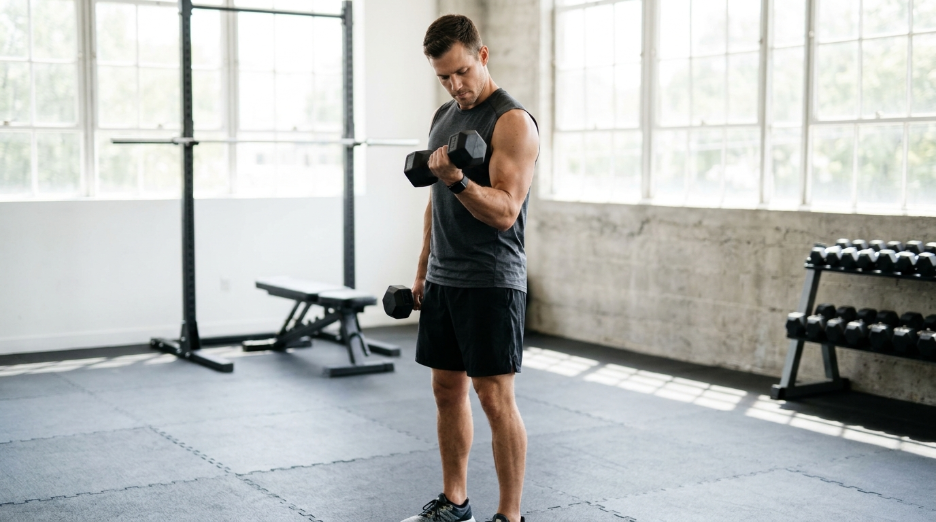
Common Errors People Make When Selecting Gym Weights
Choosing the right weight becomes easier when you understand the mistakes that can interfere with your progress. One common problem is trying to lift too heavily before learning the exercise. This can encourage poor technique and make training unnecessarily difficult.
Another mistake is copying another person’s resistance. Your training partner may have several years of experience, while you may still be developing basic movement skills. Comparing weights does not provide an accurate measure of your progress.
Other mistakes include:
- Using momentum instead of controlled muscle movement.
- Avoiding weight increases even when an exercise becomes too easy.
- Increasing resistance before mastering technique.
- Performing every set until complete muscular failure.
- Ignoring discomfort or changes in movement.
- Changing exercises before giving a programme enough time.
- Focusing only on the weight rather than overall performance.
A productive workout should challenge your muscles without making every session exhausting. Learn to recognise the difference between working hard and pushing beyond your current ability.
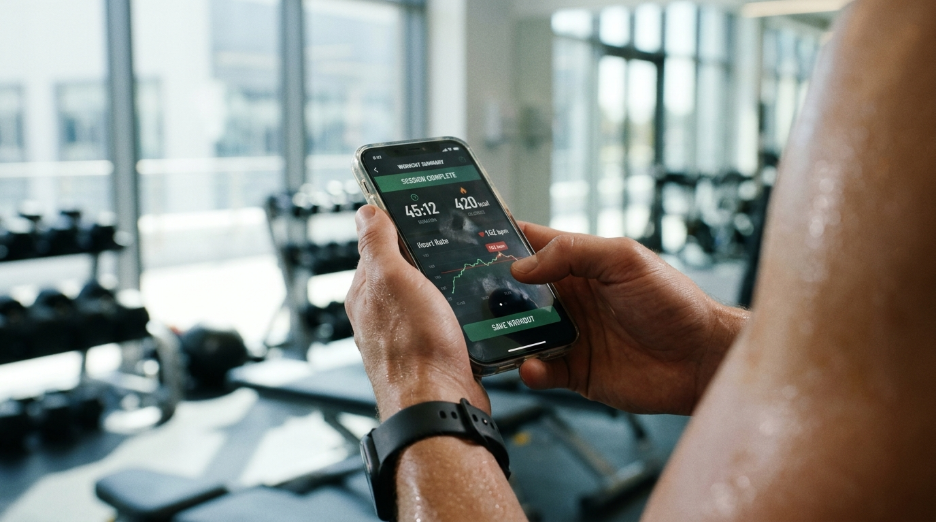
Keep a Record of Your Workout Weights and Repetitions
Tracking your training sessions is one of the simplest ways to understand whether you are making progress. Without a record, it can be difficult to remember the exact resistance, repetitions, and sets you completed during previous workouts.
You can use a notebook, spreadsheet, phone notes, or a fitness application. Choose a method that is easy to update after each session.
Consider recording the following information:
| Training detail | Example |
| Exercise | Dumbbell bench press |
| Weight | 10 kg per hand |
| Sets | 3 |
| Repetitions | 10, 9, 8 |
| Effort | 2 repetitions in reserve |
| Notes | Good control and technique |
Over time, these records can help you recognise improvements. For example, if you previously completed eight repetitions with a particular dumbbell and can now complete twelve with the same resistance, that is a sign of progress.
You do not need to increase your weight immediately after every improvement. First, make sure you can repeat your performance with consistent technique.

When It Makes Sense to Use Lighter Weights
There will be days when your usual training resistance feels more difficult than normal. This can happen because of poor sleep, stress, insufficient recovery, changes in nutrition, or simply having a demanding day.
Reducing the weight is sometimes the most sensible decision. You might need to use lighter resistance when learning a new exercise, returning after a break, or noticing that your usual technique is becoming difficult to maintain.
Consider reducing your load if:
- You feel unusually tired before starting.
- Your warm-up sets feel much harder than normal.
- Your posture or movement control begins to change.
- You cannot complete your planned repetitions.
- You are returning after several weeks away from training.
- You experience discomfort that affects your technique.
Reducing resistance does not mean you are losing progress. It means you are adjusting your workout to your current condition.
Your strength can vary from one session to another. Focus on training consistently rather than forcing yourself to match previous numbers when your body needs a different approach.
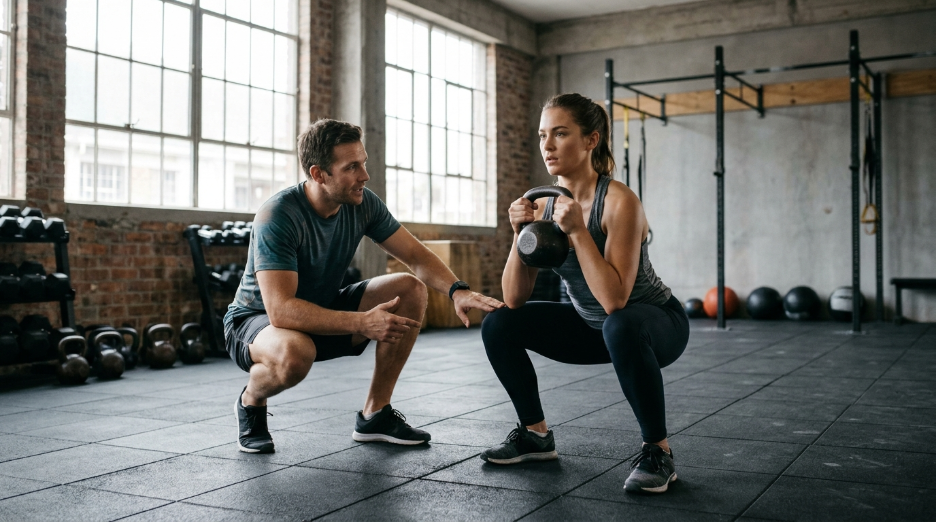
The Best Answer: How Heavy Should Your Weights Be?
The best weight to lift is one that challenges your muscles while allowing you to maintain good technique throughout the exercise. There is no universal dumbbell size, barbell weight, or machine setting that is suitable for everyone.
If you are a beginner, a light to moderate resistance for approximately eight to twelve controlled repetitions can be a practical starting point. As you gain experience, you can adjust the weight according to your goals, exercise selection, and ability.
Here is a simple summary:
- Beginners: Start with manageable resistance and focus on technique.
- Muscle growth: Choose challenging weights that allow controlled repetitions.
- Strength: Gradually introduce heavier resistance with appropriate preparation.
- Muscle definition: Combine consistent strength training with suitable nutrition.
- Weight management: Include resistance training as part of a balanced fitness routine.
- Muscular endurance: Use manageable resistance for higher repetition ranges.
Remember that progress does not always mean lifting heavier. Completing more repetitions, improving your technique, and maintaining a consistent training schedule are also valuable achievements.
Take your time, listen to your body, and avoid comparing your performance with other people. The right weight is the one that helps you become stronger while allowing you to train safely and consistently over the long term.